
Top 10 Photo Booth Trends for 2026: What’s Next in Event Experiences
The 2026 event season is officially here, and the photo booth has evolved from a novelty into a mission-critical engagement tool. Whether you're planning a product launch in Los Angeles, a tech conference in Austin, or a gala in New York City, your guests expect more than a snapshot: they're looking for immersive, tech-powered, share-worthy moments that extend the life of your event long after they leave the venue.
These ten trends are no longer emerging. They're the new standard.
1. AI-Generated Visual Effects: Portraits, Headshots & Fantasy Avatars
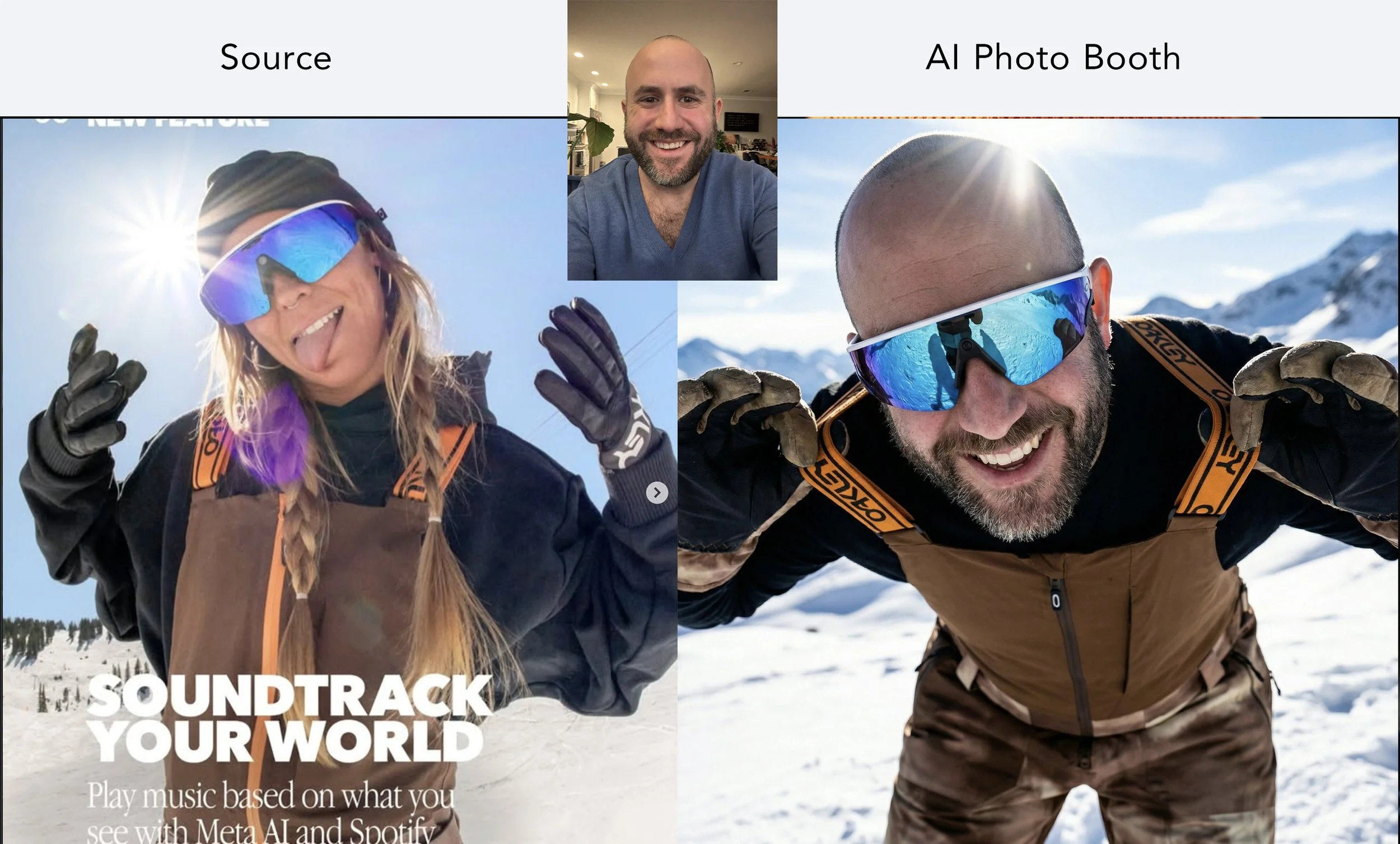
Generative AI has moved from experimental to essential. In 2026, photo booths equipped with machine learning can transform your guests into magazine covers, vintage oil paintings, or cinematic superheroes in seconds. The technology uses facial detection and style transfer algorithms to apply effects ranging from editorial glam and luxury film noir to cartoon avatars and sci-fi composites.
What you get: Guests upload a single photo and walk away with a polished AI headshot, a fantasy character portrait, or a branded magazine cover featuring their face. The result is instant social currency: content so good, it demands to be shared.
Best for: Corporate brand activations, tech conferences, luxury weddings, and executive retreats where attendees expect cutting-edge experiences. AI photo booths are now a staple at SXSW in Austin and CES in Las Vegas, where brands compete for the most innovative activation.
2. Cinema Robot Experiences (Glambot / Bolt Motion Control)
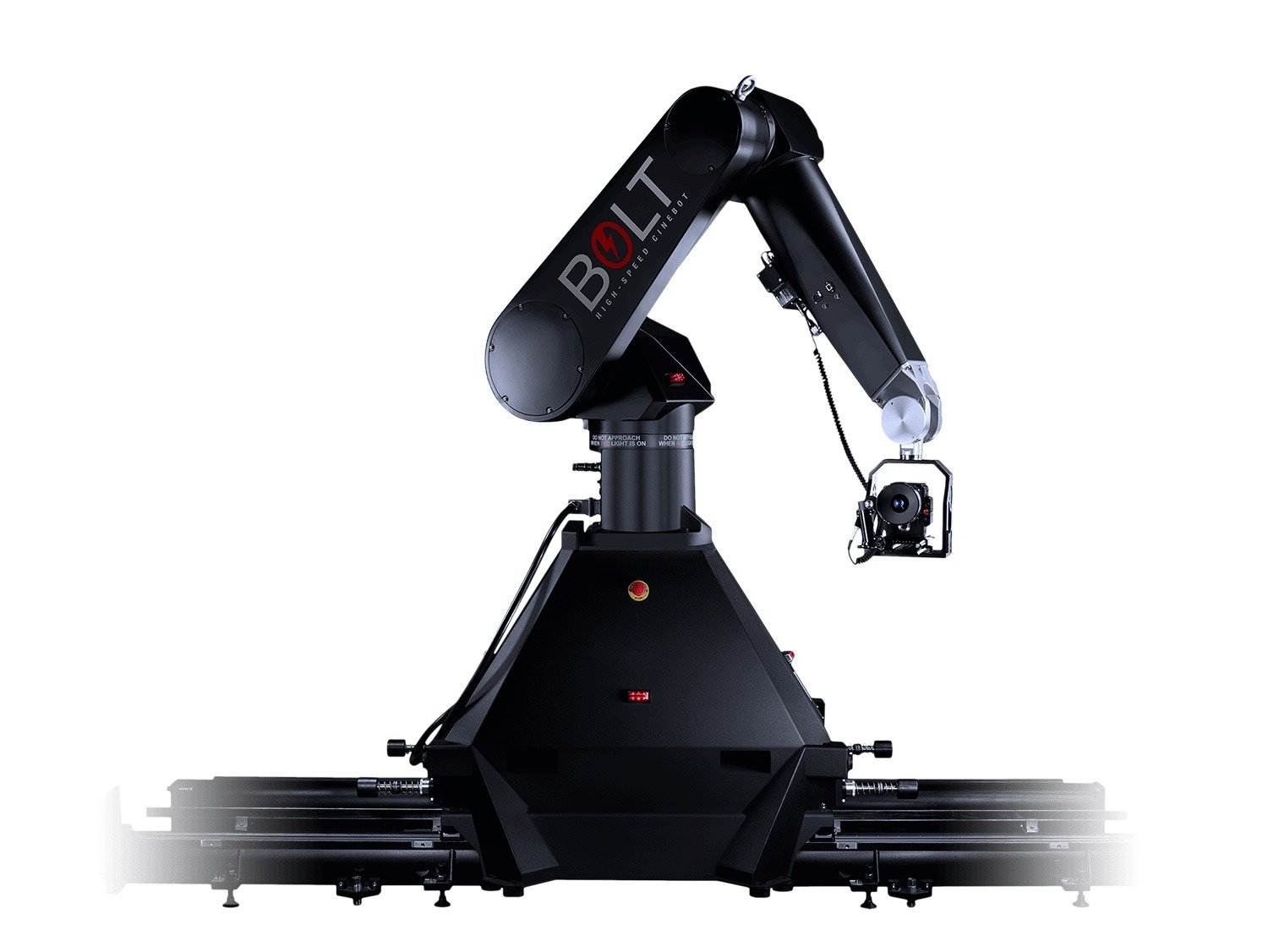
The cinema robot: also known as a Glambot: is the red-carpet technology that's now available for private events and brand activations. This isn't a camera on a stick. It's a precision-programmed motion control arm that captures guests in ultra-slow-motion with choreographed camera movements previously reserved for Hollywood studios.
You've seen the results on the Met Gala red carpet and the Oscars. Now, expect to see them at corporate galas, product launches, and high-end weddings across New York, Miami, and Las Vegas.
What makes it powerful: The Glambot creates cinematic glamour on demand. Guests strike a pose, the robotic arm executes a perfectly timed sweep, and the result is a 3-second slow-motion video that looks like a million-dollar fashion campaign. Add wind machines, confetti drops, or LED backdrops, and you've built an experience people will reference for months.
ROI for brands: These clips generate massive social reach. A single Glambot activation can produce hundreds of shares, tagged posts, and organic impressions: turning your guests into brand ambassadors without a single media buy.
3. 360° Slow-Motion Video Booths
The 360° video booth remains a top-tier choice for events that demand spectacle. Guests stand on a branded platform while a high-speed camera orbits around them, capturing slow-motion footage from every angle. The 2026 upgrade? Cinema quality video, dynamic motion graphics overlays, and instant social delivery via QR code.
Popular add-ons: Confetti cannons, smoke effects, branded light rings, and custom video outros that display event hashtags or sponsor logos.
Best use case: Corporate activations, Las Vegas conventions, festival VIP areas, and experiential pop-ups where the goal is to create content that stops the scroll.
4. Custom-Branded Microsites & Digital Galleries
The print strip is no longer the final product: it's the starting point. In 2026, every premium photo booth activation includes a custom-branded microsite where all event content lives. Guests access their photos and videos via QR code, share directly to social, and browse a gallery of every capture from the night.
What planners love: These microsites extend event engagement for weeks. Attendees revisit the gallery, tag friends, and share content long after the event ends. For brands, this means ongoing impressions and the ability to retarget attendees with post-event campaigns.
Key features: White-label branding, custom URLs (e.g., yourcompany.studioz.gallery), built-in analytics, and downloadable assets in multiple formats (square, vertical, horizontal).

5. Vertical Video Optimization (TikTok & Reels-Ready)
If your photo booth isn't optimized for vertical video, you're losing engagement. Social platforms like Instagram Reels and TikTok are built for 9:16 content, and in 2026, every photo booth should automatically format captures for vertical distribution.
What this means for you: No more awkward cropping or black bars. Your guests receive ready-to-post vertical videos and photos that fit natively into Stories, Reels, and TikTok feeds. The result? Higher share rates, better visibility, and content that feels like it was designed for the platform: not retrofitted.
Bonus: Add branded overlays, event hashtags, and sponsor logos directly into the vertical frame. Your activation becomes a self-promoting content machine.
6. Hybrid & Virtual Photo Booth Options
The virtual photo booth is no longer a pandemic workaround: it's a global engagement tool. Whether you're hosting a hybrid conference with attendees in London and Los Angeles, or launching a digital campaign that needs nationwide reach, browser-based photo booths bridge the gap.
How it works: Guests access the experience via a custom URL. No app, no download. They capture photos or videos using their webcam or phone camera, apply branded filters and effects, and share instantly. You collect data, build engagement, and extend your event's footprint beyond the physical venue.
Best for: Hybrid events, virtual product launches, remote team celebrations, and campaigns that need to scale across Philadelphia, Austin, and beyond.

7. Interactive Touchscreen Experiences
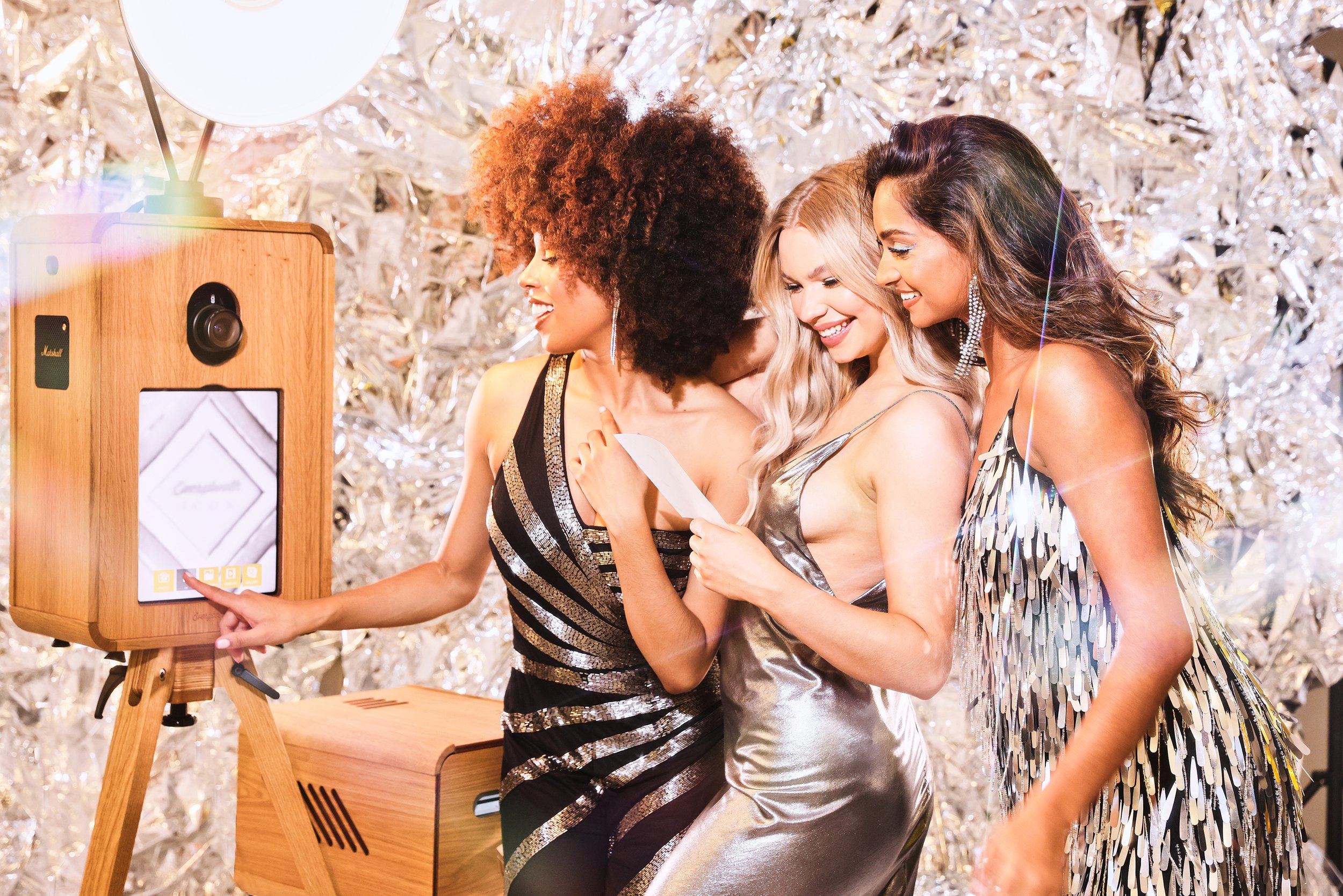
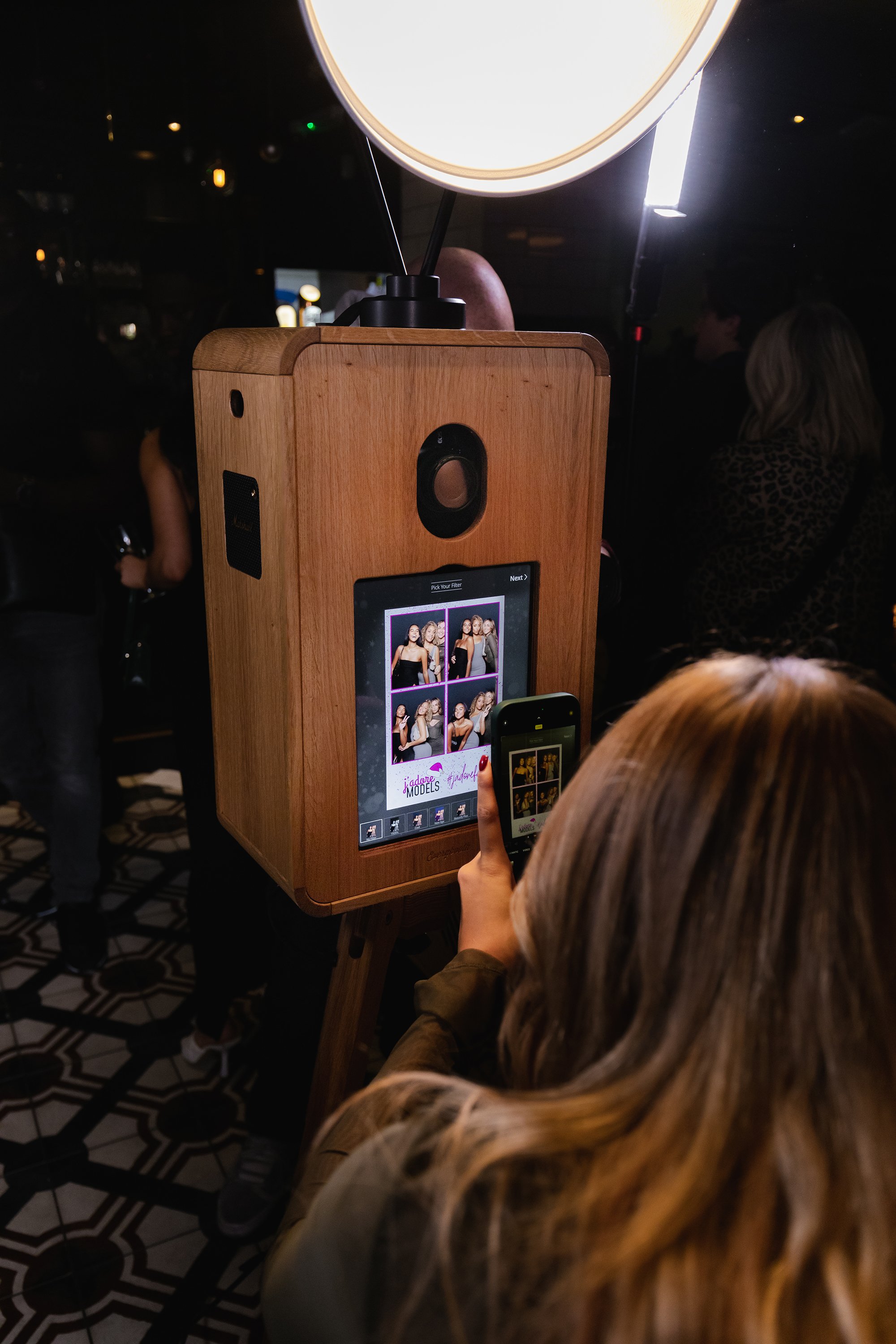
Touchscreens have replaced clunky button interfaces. Modern photo booths use intuitive iPad kiosks where guests customize every detail: choose backgrounds, apply filters, select print layouts, and sign digital guestbooks: all through a seamless, tap-based interface.
Why it matters: Faster booth flow, higher customization, and a more polished user experience. Guests don't wait in line wondering what to do: they walk up, tap, and create.
Added value: Data capture happens naturally. Instead of handing attendees a clipboard, you collect emails and contact info through the touchscreen as part of the photo flow. The experience feels effortless, but the backend delivers CRM-ready lead lists.
8. Instant Social Sharing & Data Capture
One-tap sharing is the baseline. In 2026, photo booths integrate directly with Instagram, TikTok, and Facebook, allowing guests to post content with pre-populated captions, branded hashtags, and event tags: all without leaving the booth.
The business case: Social sharing amplifies your event's reach exponentially. A 200-person activation can generate thousands of impressions when every guest shares their photo or video. Pair this with integrated lead capture, and you walk away with contact data, social metrics, and content assets for future marketing.
Key integrations: SMS delivery, email galleries, branded QR codes, and analytics dashboards that track shares, impressions, and engagement in real time.
9. Sustainable & Eco-Friendly Setups
Sustainability isn't a trend: it's an expectation. Corporate clients and conscious consumers are prioritizing eco-friendly activations, and photo booths have adapted. Digital-only experiences eliminate paper waste entirely, while hybrid setups use recycled materials, energy-efficient LED lighting, and soy-based inks for prints.
What planners are asking for: Carbon-neutral activations, paperless galleries delivered via QR code, and equipment that minimizes energy consumption. The fastest-growing segment? Fully digital booths that deliver instant content without a single print.
Brand alignment: For companies with ESG commitments, a sustainable photo booth isn't just nice to have: it's a visual representation of your values in action.
10. Minimalist Open-Air LED Setups
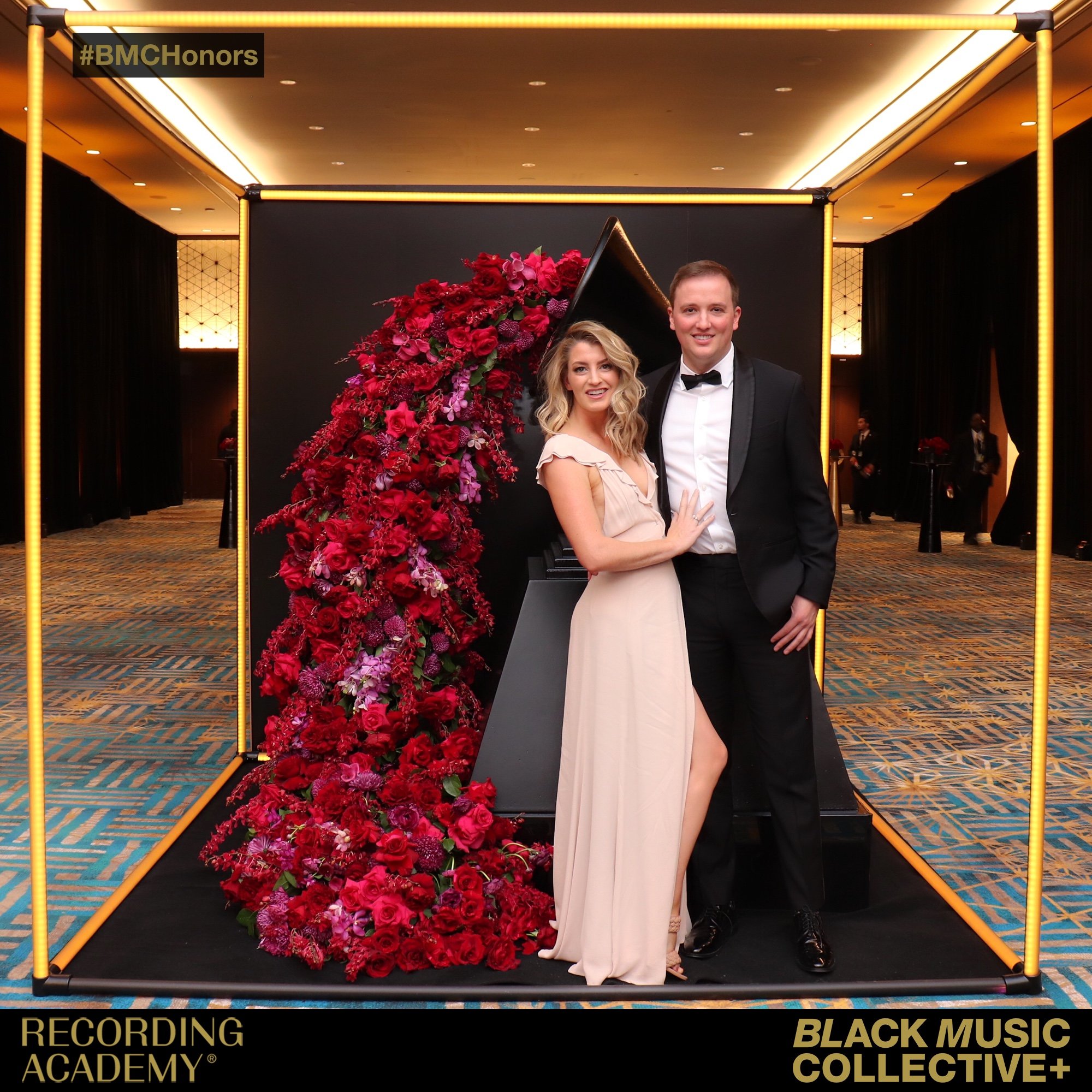
The cramped photo booth box is officially retired. In 2026, luxury events and B2B activations favor open-air setups with clean lines, LED backdrops, and custom branding that feels more like an art installation than a carnival attraction.
What makes them work: Open-air booths handle higher guest volume, allow for larger groups, and create a premium aesthetic that fits upscale venues. LED backdrops can change color, display logos, or cycle through branded graphics: transforming the experience throughout the night.
Popular configurations: Minimalist white frames with color-changing LED walls, floating ring lights for flattering portraits, and modular setups that adapt to any venue layout.
The Bottom Line
The photo booth trends shaping 2026 are tech-forward, social-first, and designed to deliver measurable ROI. Whether you're planning an activation in Los Angeles, New Jersey, or anywhere in between, these experiences are no longer add-ons: they're the centerpiece.
At Studio Z, we're deploying these trends nationwide, from SXSW in Austin to Art Basel in Miami. If you're ready to build an event experience that people actually remember, let's talk. Explore our full lineup here.
